
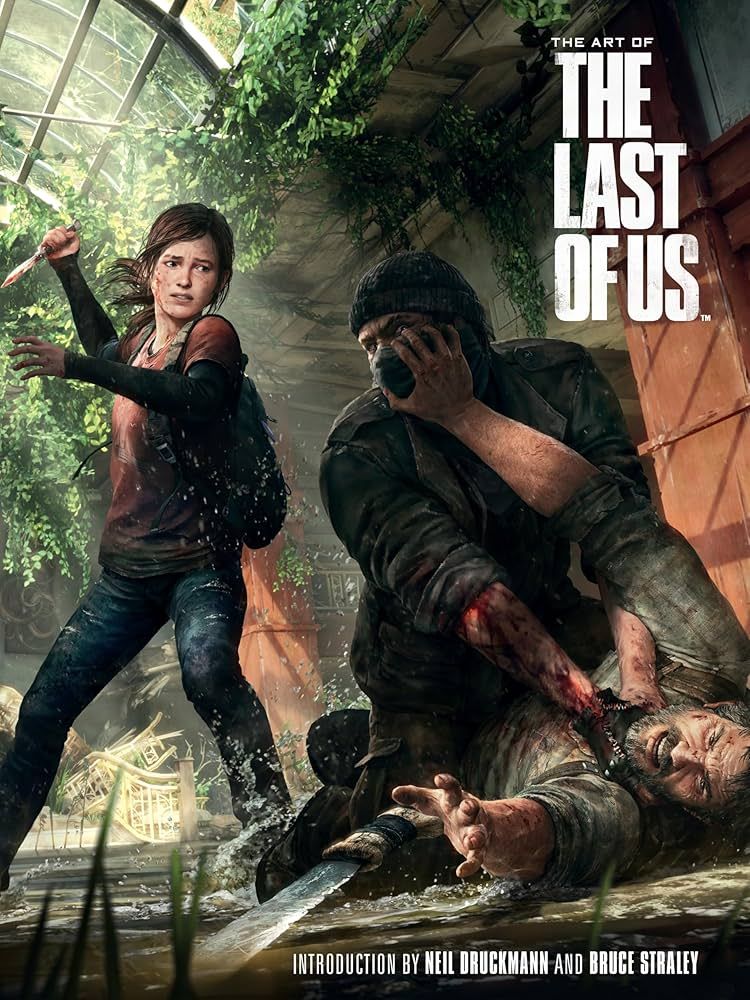
The Last of Us could’ve been one of the greatest story-driven franchises ever. The first game nailed it — post-apocalyptic survival, infected that actually felt dangerous, and human threats that made sense. Bill, Ellie… even having gay characters didn’t matter because the story’s focus was survival and morality, not identity politics. The DLC made Ellie’s sexuality canon, and nobody cared because the world-building was strong and the stakes were real.
That’s what made Part II such a letdown. The problem wasn’t just that they killed Joel — it was how they did it. This is a guy who could spot an ambush while driving in enemy territory. Yet in Part II, he’s suddenly naïve enough to walk into a trap that anyone with his experience should’ve avoided. If you want to kill him for story purposes, fine. But don’t assassinate his intelligence in the process.
And then the tone of the game… was exhausting. It wasn’t thrilling survival horror anymore — it was pure misery. You spend hours chasing revenge, only to face Abby — a jacked, military-trained tank of a woman with a better-equipped base than yours. Playing as Abby and beating the hell out of Ellie made no sense given Ellie’s skills with guns, traps, and survival tactics. By the end, Ellie’s lost two fingers, countless friends, and the plot has spiraled into identity politics territory.
Dana’s baby’s father? Dead. Characters dying for no reason. And a 13-year-old trans character in the middle of societal collapse? Come on — in a world where people are fighting for food and safety, kids that age should be worried about staying alive, not gender theory.
The Last of Us was supposed to be about survival, morality, and the choices people make when the world falls apart. Instead, Part II turned it into an agenda-driven trauma simulator that forgot what made the first game great.